 Seonglae Cho
STAR (Sperm Tracking and Recovery)
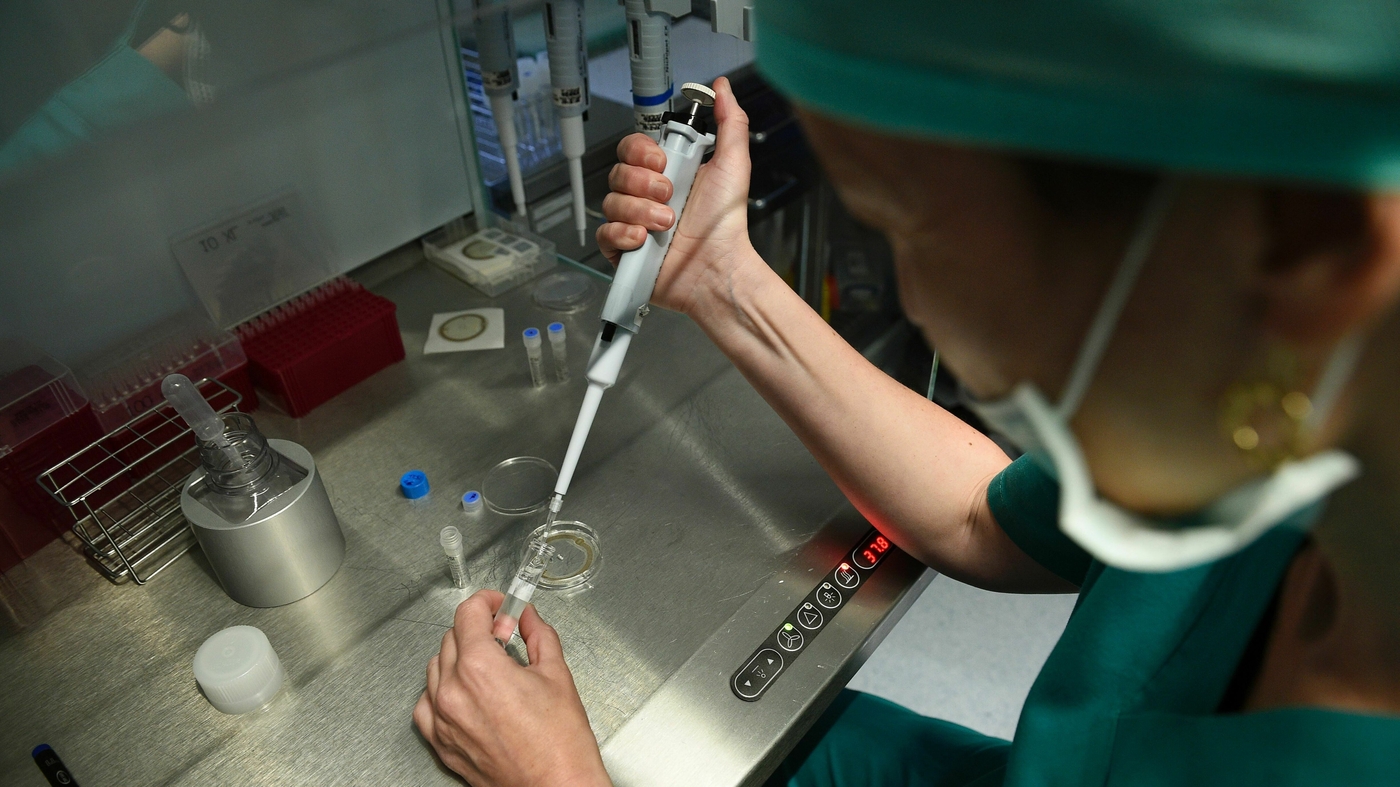
First clinical pregnancy following AI-based microfluidic sperm detection and recovery in non-obstructive azoospermia
Male factor infertility accounts for up to 40% of infertility cases,1 with azoospermia and cryptozoospermia (conditions characterised by absent or extremely rare sperm in the ejaculate) comprising approximately 10–15% of these cases.2 For affected couples, diagnosis and treatment often involve years of repeated failed interventions, invasive procedures, and emotional distress. Management options typically include testicular sperm extraction3 or prolonged manual sperm searches by skilled embryologists, followed by intracytoplasmic sperm injection.
https://www.thelancet.com/journals/lancet/article/PIIS0140-6736%2825%2901623-X/fulltext

Creating a sperm or egg from any cell? Reproduction revolution on the horizon
Researchers are inching closer to creating human eggs and sperm in the lab that carry a full complement of anyone's DNA. It could revolutionize fertility treatment and raises huge ethical questions.

https://www.npr.org/sections/health-shots/2023/05/27/1177191913/sperm-or-egg-in-lab-breakthrough-in-reproduction-designer-babies-ivg
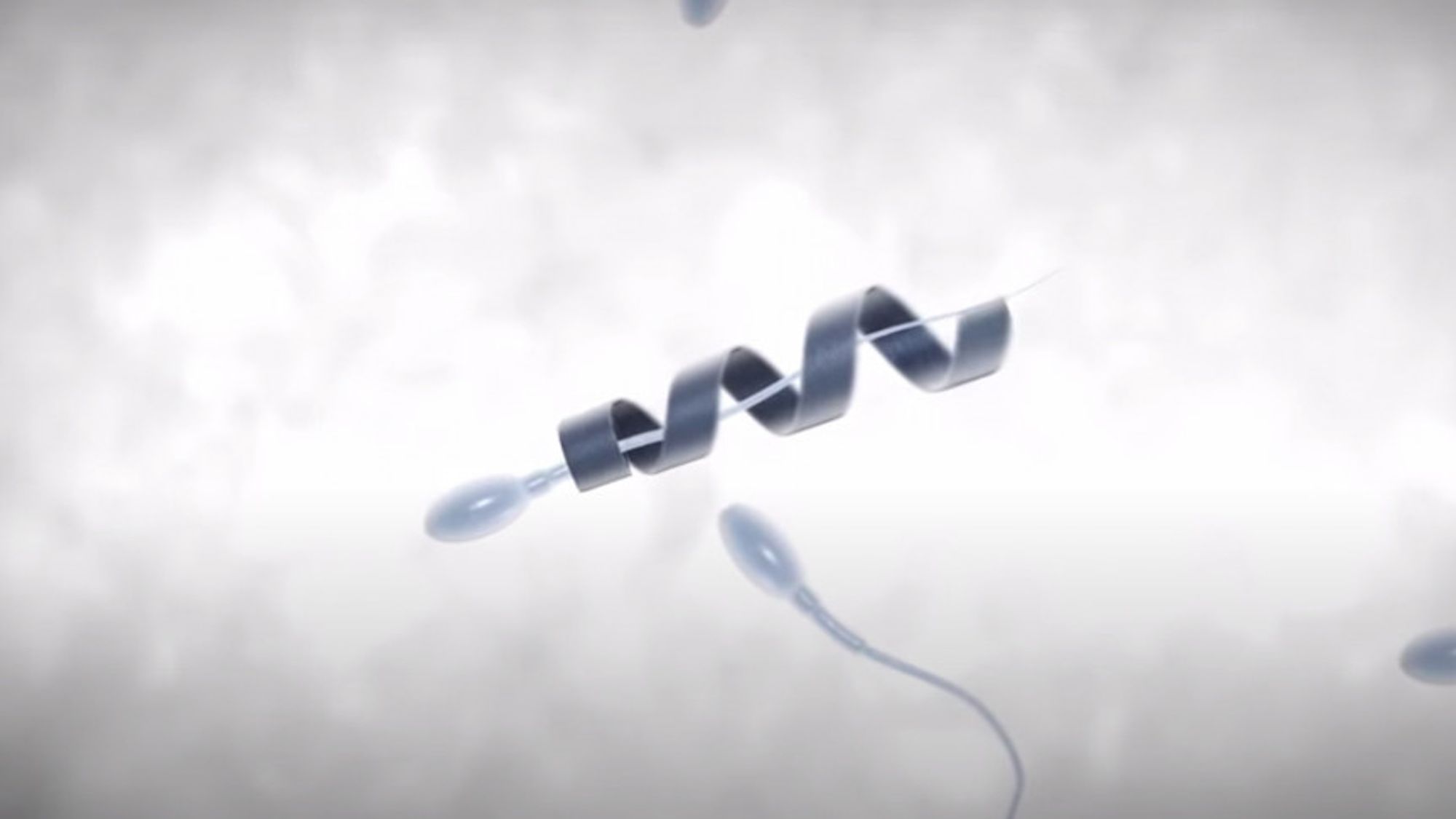
Watch Nanobot Carry Lazy Sperm to Fertilize Living Eggs
A sperm's task may appear straightforward; after all, all it needs to do is swim to an egg and insert genetic material. However, in some cases, a healthy sperm's inability to swim may result in infertility, which affects around 7 percent of all males. This condition is called asthenozoospermia, and there is currently no cure.

https://interestingengineering.com/watch-nanobot-carry-lazy-sperm-to-fertilize-living-eggs?utm_source=tldrnewsletter