
Academic Paper

Creator
Creator
Seonglae ChoSeonglae Cho
Created
Created
2020 Sep 5 15:54
Editor
Edited
Edited
2026 Feb 10 16:0

Research Paper

  • Finding ideal path
  • Contribution is academia
  • The professor's insight and researcher's passion
Rejection is a common occurrence in academia, and even renowned scholars experience it regularly. In academia, there is a tendency to only share success stories, and by hiding failure experiences, colleagues may develop impostor syndrome where they feel they are the only ones failing. Thus, by sharing experiences of failure, the aim is to create more transparency and realistic expectations across academia.
The reason good papers present not only one central idea but also two or three relatively less important ideas is because presenting just one idea risks being challenged, while research that simultaneously applies two or three ideas can demonstrate its safety and prove its originality.
Academic Paper Notion
 
 
Academic Paper Usages
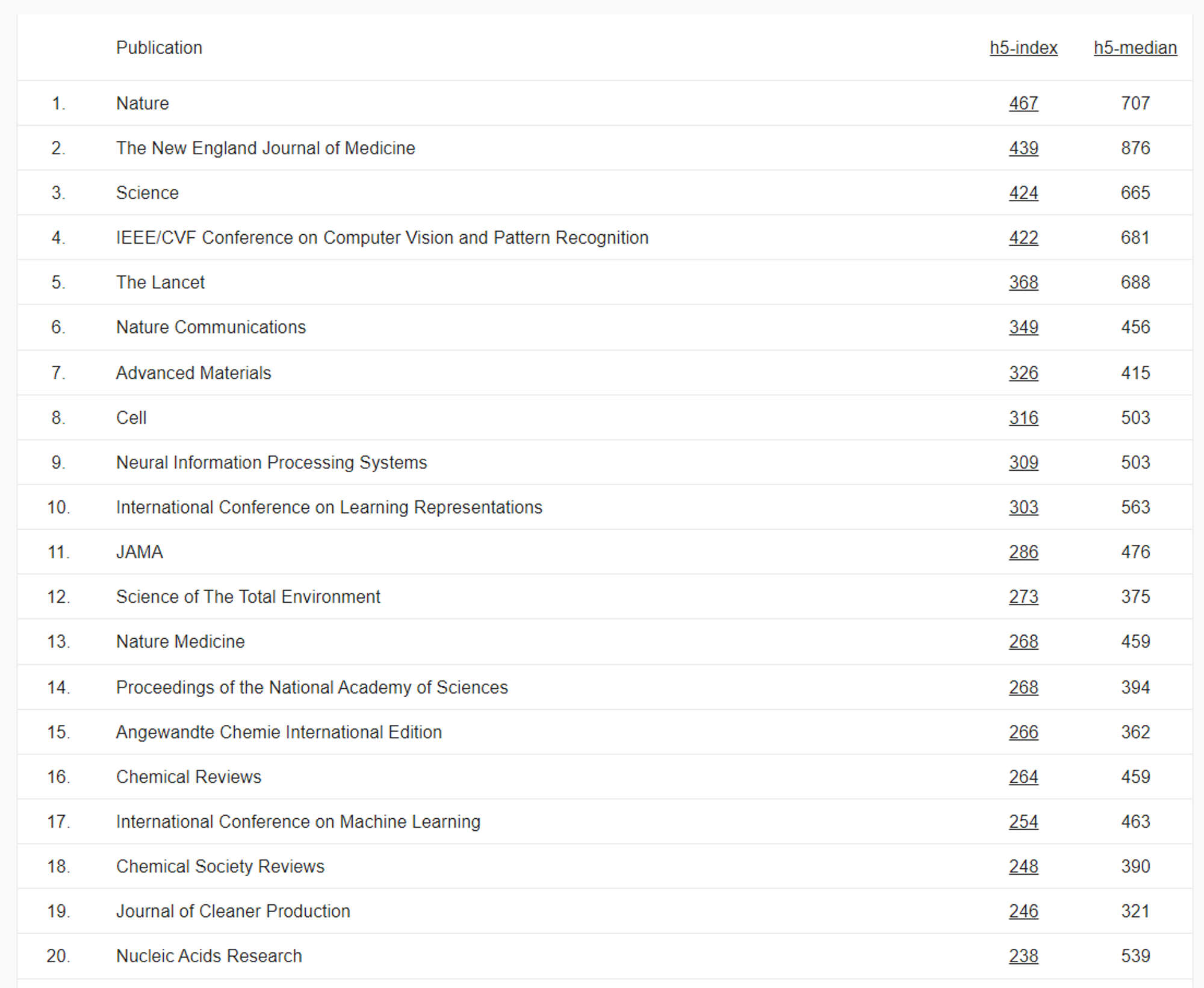


https://scholar.google.com/citations?view_op=top_venues&hl=en
 
 
I feel scientists ought to be doing things that are going to help society but actually that’s not how you do your best research. You do your best research when it’s driven by
Curiosity
-
Geoffrey Hinton



AI Explainer

SciSpace by Typeset | Discover, Create, Publish, and Promote your research paper
Your platform to explore and explain papers. Search for 270M+ papers, understand them in simple language, and find connected papers, authors, topics.
SciSpace by Typeset | Discover, Create, Publish, and Promote your research paper
Explainpaper
A better way to read academic papers.

The Sequences

Sequences — LessWrong
A sequence is a series of multiple posts on Less Wrong on the same topic, to coherently and fully explore a particular thesis. See the Library page for a list of LessWrong sequences in their modern form. The original sequences were written by Eliezer Yudkowsky with the goal of creating a book on rationality. MIRI has since collated and edited the sequences into Rationality: From AI to Zombies. If you are new to Less Wrong, this book is the best place to start. Rationality: From AI to Zombies Rationality: From AI to Zombies cover image. Rationality: From AI to Zombies is an ebook collecting six books worth of essays on the science and philosophy of human rationality. It's one of the best places to start for people who want to better understand topics that crop up on Less Wrong, such as cognitive bias, the map-territory distinction, meta-ethics, and existential risk. The ebook can be downloaded on a "pay-what-you-want" basis from intelligence.org. Its six books in turn break down into twenty-six sections: __________________________________________________________________ * Book I: Map and Territory. An introduction to the Bayesian concept of rational belief. * A. Predictably Wrong * B. Fake Beliefs * C. Noticing Confusion * D. Mysterious Answers __________________________________________________________________ * Book II: How to Actually Change Your Mind. A guide to noticing motivated reasoning and overcoming confirmation bias. * E. Overly Convenient Excuses * F. Politics and Rationality * G. Against Rationalization * H. Against Doublethink * I. Seeing with Fresh Eyes * J. Death Spirals * K. Letting Go __________________________________________________________________ * Book III: The Machine in the Ghost. Essays on the general topic of minds, goals, and concepts. * L. The Simple Math of Evolution * M. Fragile Purposes * N. A Human's Guide to Words __________________________________________________________________
Sequences — LessWrong

Reasoning Transparency

Present conclusions clearly upfront, with key evidence explicitly marked. Indicate confidence level for each claim. Honestly disclose the nature of evidence: whether directly experienced, read, expert opinion, or intuition.
Explain how sources were found and what was reviewed. Good example of transparency (GiveWell approach)
Reasoning Transparency | Coefficient Giving
Editor’s note: This article was published under our former name, Open Philanthropy. Some content may be outdated. You can see our latest writing here. We at the Open Philanthropy Project value analyses which exhibit strong “reasoning transparency.” This document explains what we mean by “reasoning transparency,” and provides some tips for how to efficiently write […]
Reasoning Transparency | Coefficient Giving


Recommendations