

 Seonglae Cho
Visual Impairment
ER-100 is a gene therapy that uses epigenetic reprogramming with Yamanaka transcription factors to rejuvenate aged retinal cells.
First-ever experimental gene therapy seeks to restore vision by rejuvenating eye neurons
Life Biosciences tests ER-100, a gene therapy that aims to restore vision by rejuvenating damaged retinal neurons.

https://interestingengineering.com/health/life-biosciences-er100-epigenetic-vision-therapy

Neuralink Chip
Musk's Neuralink gets FDA's breakthrough device tag for 'Blindsight' implant
Elon Musk's brain-chip startup Neuralink said on Tuesday its experimental implant aimed at restoring vision received the U.S. Food and Drug Administration's "breakthrough device" designation.

https://www.reuters.com/business/healthcare-pharmaceuticals/musks-neuralink-receives-fdas-breakthrough-device-tag-brain-implant-2024-09-17/

Elon Musk Claims Neuralink Already Allowing Blind Monkeys to See Again
According to Elon Musk, Neuralink is making great progress on its "Blindsight" implant, which is "already working in monkeys."

https://futurism.com/neoscope/elon-musk-neuralink-blind-monkeys-see-again

Elon Musk's Neuralink is working on a chip that will solve blindness
Neuralink is developing a Vision Chip to solve eye issues.

https://www.teslarati.com/elon-musk-s-neuralink-vision-chip/
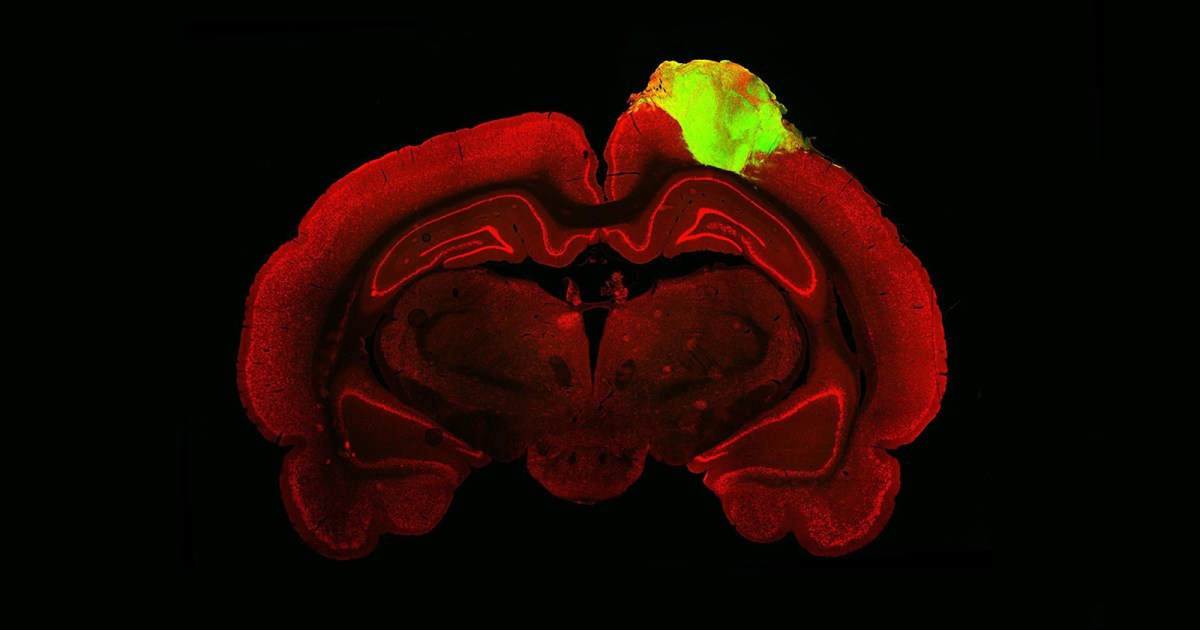
Human-rat brain hybrid shows a way to cure blindness
New research has shown that human "mini brains" can integrate with damaged rat brains to perform functions related to sight - a promising step toward a future where lab-grown brain tissue can reverse blindness in people.

https://www.freethink.com/health/human-mini-brains
Scientists restore vision in mice, achieve 170-fold gene editing boost
By adapting virus-like particles to carry the machinery for a type of gene editing called prime editing, scientists have corrected disease-causing mutations in animals and increased editing efficiency.
https://interestingengineering.com/science/scientists-gene-editing-170-times

Scientists Use Human Stem Cells to Restore a Monkey’s Vision
Scientists in Japan successfully used human stem cells to patch a hole in a monkey's retina, restoring the primate's vision.
https://futurism.com/neoscope/human-stem-cells-restore-monkey-vision

Tellurium nanowire retinal nanoprosthesis
Tellurium nanowire retinal nanoprosthesis improves vision in models of blindness
Present vision restoration technologies have substantial constraints that limit their application in the clinical setting. In this work, we fabricated a subretinal nanoprosthesis using tellurium nanowire networks (TeNWNs) that converts light of both the ...

https://www.science.org/doi/10.1126/science.adu2987
