 Seonglae Cho
Cache for non-human memory
Who initiates the caching process
Static Caching is pre-storing data
Dynamic Caching methods
Cache Algorithms
Monitoring & Caching
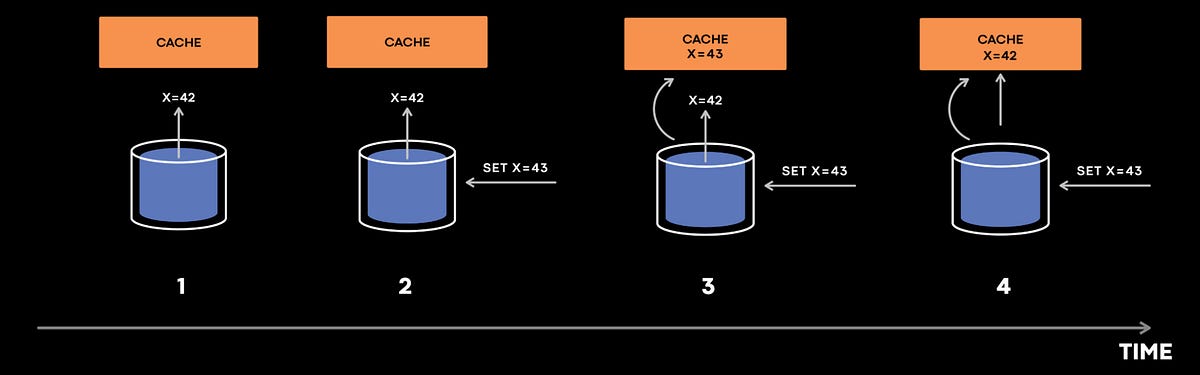
How meta improved their cache consistency to 99.99999999
Introduction

https://medium.com/@mayank.sharma2796/how-meta-improved-their-cache-consistency-to-99-99999999-58d79674a806
Cache replacement policies
In computing, cache replacement policies (also known as cache replacement algorithms or cache algorithms) are optimizing instructions or algorithms which a computer program or hardware-maintained structure can utilize to manage a cache of information. Caching improves performance by keeping recent or often-used data items in memory locations which are faster, or computationally cheaper to access, than normal memory stores. When the cache is full, the algorithm must choose which items to discard to make room for new data.

https://en.wikipedia.org/wiki/Cache_replacement_policies
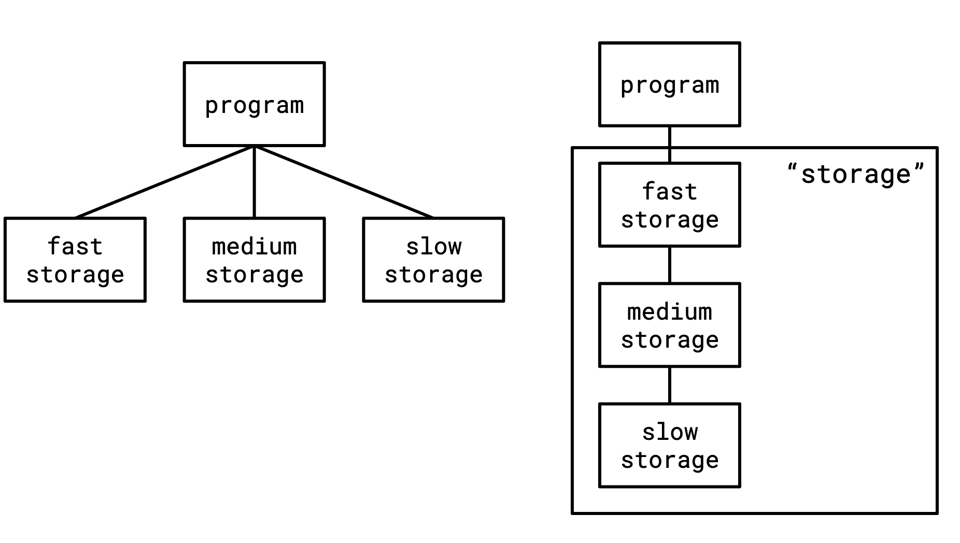
Abstraction that hides the storage layer and provides a consistent interface, a means to simplify software by abstracting complex layer structures (Why are classic cache algorithms (LRU, etc.) needed? → Because data access patterns are unpredictable)
Caching is an Abstraction, not an Optimization
I've always been told that caching is a tool to make software faster. That, given some careful considerations to consistency, caching makes it so that when...

https://buttondown.com/jaffray/archive/caching-is-an-abstraction-not-an-optimization/