 Seonglae Cho
Longtermism
Effective altruism is a research field and practical community that aims to find the best ways to help others, and put them into practice.
Altruism that focuses on efficiency and utilitarianism
Using evidence and reason to benefit as many people as possible, and taking action based on that foundation
SBF(Sam Bankman-Fried) was a big supporter of EA
AI might possess 'consciousness/suffering'. This possibility is seriously addressed in a field called digital minds. Advanced AI systems or Whole Brain Emulation (WBE) could have consciousness/suffering/valuable mental states and thus be morally considerable
- Under-attribution: Risk of ignoring digital entities that actually have moral status, creating a large-scale "moral catastrophe"
- Over-attribution: Risk of excessively allocating rights/resources to morally irrelevant machines, harming human and animal welfare
Digital Minds: A Quickstart Guide — EA Forum
Updated: Jan 16, 2026 • Digital minds are artificial systems, from advanced AIs to potential future brain emulations, that could morally matter for t…

https://forum.effectivealtruism.org/posts/p7BtTgrX8WLXr2mAu/digital-minds-a-quickstart-guide

Moral ambition
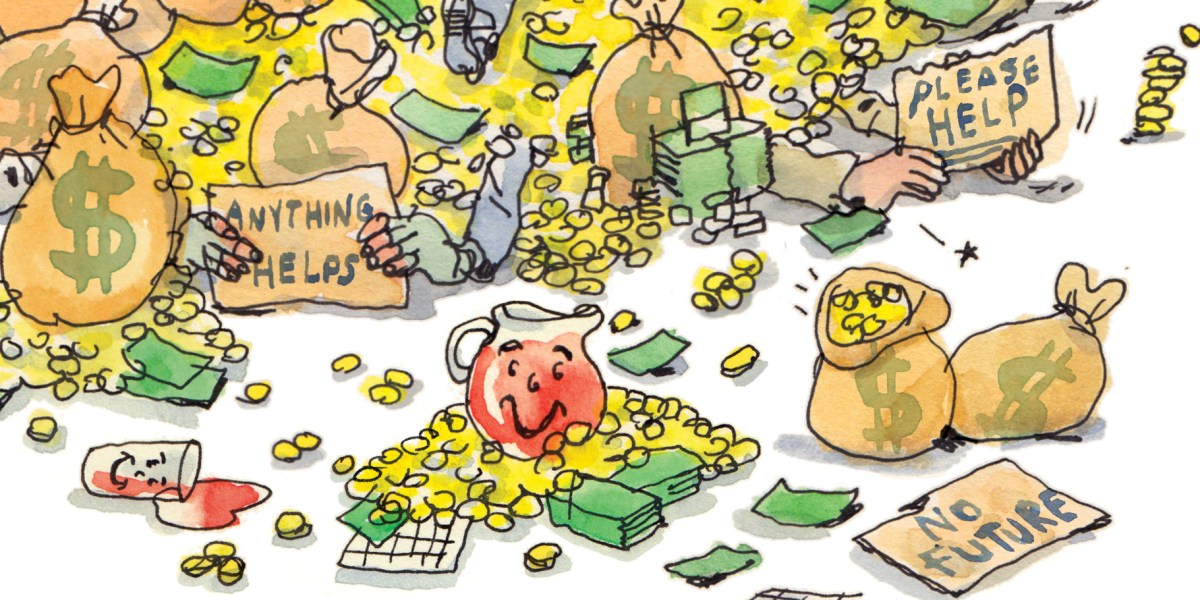
Effective altruism is stumbling. Can "moral ambition" replace it?
In his book "Moral Ambition," Dutch author Rutger Bregman argues that saving the world might require updating our definition of success.

https://bigthink.com/high-culture/effective-altruism-moral-ambition/

Inside effective altruism, where the far future counts a lot more than the present
The giving philosophy, which has adopted a focus on the long term, is a conservative project, consolidating decision-making among a small set of technocrats.

https://www.technologyreview.com/2022/10/17/1060967/effective-altruism-growth/
Effective Altruism
https://www.effectivealtruism.org/
Effective altruism
Effective altruism is a philosophical and social movement that advocates "using evidence and reason to figure out how to benefit others as much as possible, and taking action on that basis".[1][2] People who pursue the goals of effective altruism, called effective altruists,[3] often choose careers based on the amount of good that they expect the career to achieve or donate to charities based on the goal of maximising impact. The movement developed during the 2000s, and the name effective altruism was coined in 2011.[4] Prominent philosophers influential to the movement include Peter Singer, Toby Ord, and William MacAskill. Several books and many articles about the movement have since been published, and the Effective Altruism Global conference has been held since 2013. Billions of dollars have been committed based on effective altruistic principles, by philanthropists who include Facebook co-founder Dustin Moskovitz. Prior to late 2022, a major funder was Sam Bankman-Fried, founder of the cryptocurrency exchange FTX, though its bankruptcy has since been a source of controversy and criticism of the movement.[5][6]

https://en.wikipedia.org/wiki/Effective_altruism
Reconciling Effective Altruism and E/acc
Uniting against the AI ethics tribe

https://eriktorenberg.substack.com/p/reconciling-effective-altruism-and