

 Seonglae Cho
openai 연구소장, 수석과학자
Ilya Sutskever Did
On a Sunday, I was programming and there was knock on the door not just any knock but it was cutter. It’s sort of an urgent knock so I went and answer to door and this was young student there and he said he was cooking fries over the summer but he’d rather be working in my lab. And so I said ‘Well why didn’t you make an appointment and we’ll talk?’ And so Ilya said ‘How about now!’. And that is sort of Ilya’s character. So we talked for a bit and I gave him a paper to read which was the nature paper on back propagation. - Geoffrey Hinton
For a week later and he came back and he said I didn’t understand it. I was very disappointed I since I though he seemed like a bright guy but it’s only the chain rule. He said “on no no I understood that. I just don’t understand why you don’t give the gradient to a sensible function optimizer” which took us quite a few years to think that. It kept on like that with a he had very good raw intuitions about things.
2011 RNN Next character-level prediction with Wikipedia HTML
icml.cc
https://icml.cc/2011/papers/524_icmlpaper.pdf
OpenAI co-founder Ilya Sutskever departs ChatGPT maker
OpenAI co-founder and chief scientist Ilya Sutskever is leaving the startup at the center of today's artificial intelligence boom.

https://www.reuters.com/technology/openai-co-founder-ilya-sutskever-departs-2024-05-14/

Interviews
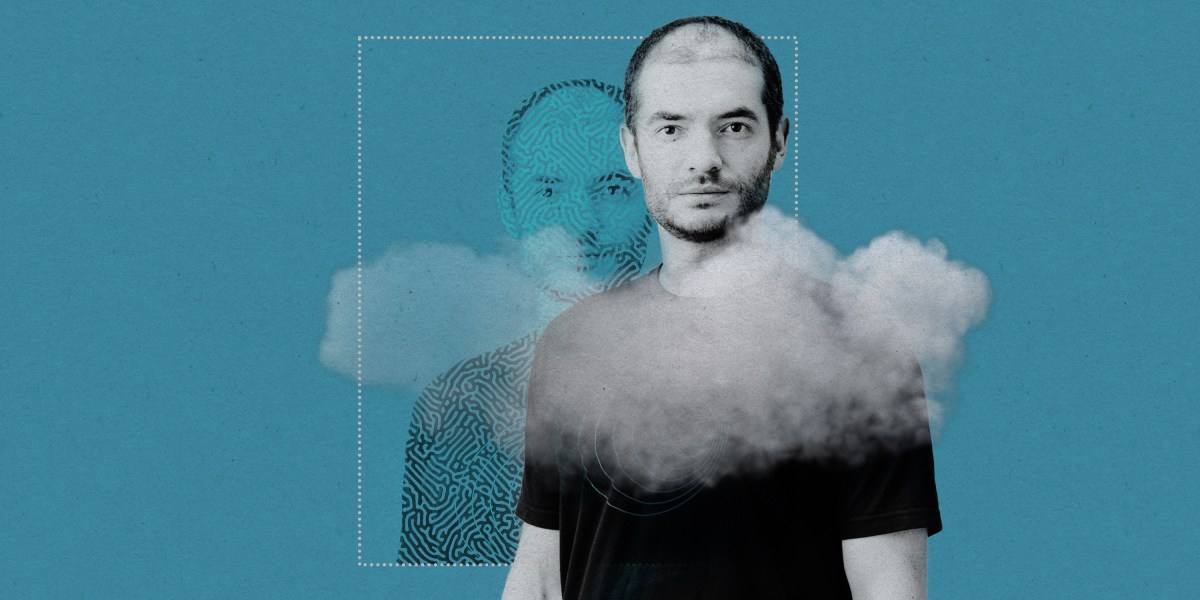
Exclusive: Ilya Sutskever, OpenAI’s chief scientist, on his hopes and fears for the future of AI
“It’s going to be monumental, earth-shattering. There will be a before and an after.”

https://www.technologyreview.com/2023/10/26/1082398/exclusive-ilya-sutskever-openais-chief-scientist-on-his-hopes-and-fears-for-the-future-of-ai
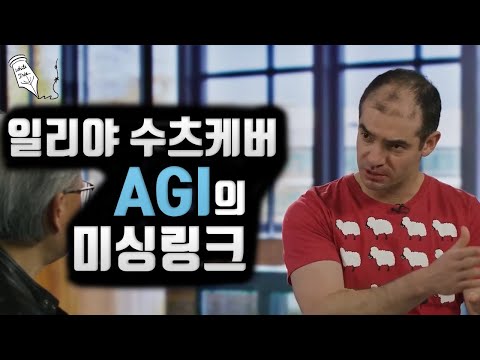
일리야 수츠케버와 AGI의 미싱링크
엔비디아의 젠슨 황과 OpenAI의 일리야 수츠케버가 AI의 과거, 현재, 그리고 미래를 이야기하는 인터뷰가 GTC Digital Spring에 있었습니다.
일리야는 AlexNet부터 GPT까지, 그야말로 딥러닝의 시작과 끝을 가장 앞에서 이끌고 있는 젊은 과학자입니다. 그는 그동안 무엇을 느끼고 앞으로 어떤 생각을 하고 있을까요?
AGI로 나아가는데 꼭 필요한 미싱링크가 무엇인지, 이 인터뷰를 통해 생각해보도록 합시다.
시청해주시는 한 분, 한 분께 진심으로 감사드립니다.

https://www.youtube.com/watch?v=LQviQS24uQY&t=840
OpenAI의 핵심, Ilya Sutskever 인터뷰
Ilya Sutskever는 현 OpenAI의 핵심 멤버입니다. 딥러닝 혁명의 선두주자인 그를 통해 현재 우리가 어디에 와 있는지, 미래에 대해서 다시 한번 생각해봅시다.
OpenAI의 모습을 보면, 트랜스포머를 기반으로 둘다 사람이 피드백하는 RLHF 방식, 먼저 사회에 던져놓고 그 피드백과 데이터로 "완성"해가는 모습이 어떤 기업과 매우 흡사한 모습을 보이고 있습니다.
ChatGPT는 이 순간에도 프롬프트 체인을 확장해 나가고 있습니다.
변화가 점점 더 빨라지는 이 순간, 우리는 미래를 어떻게 준비해야할까요.
이 인터뷰로 다시 한 번 스스로를 점검할 수 있었으면 좋겠습니다.
인터뷰어는 The Lunar Society 팟캐스트를 진행하는 Dwarkesh patel로 UT Austin CS 출신입니다.
흥미로운 대화, 다같이 들어볼까요?
시청해주시는 한 분, 한 분께 진심으로 감사드립니다!
- The Lunar Society 팟캐스트 링크입니다 -
Apple Podcasts: https://apple.co/42H6c4D
Spotify: https://spoti.fi/3LRqOBd
https://www.youtube.com/watch?v=Yf1o0TQzry8&t=1802s

https://www.youtube.com/watch?v=SGCFeIbpGlU

Ilya Sutskever NeurIPS 2024 full talk

https://www.youtube.com/watch?v=YD-9NG1Ke5Y
