 Seonglae Cho
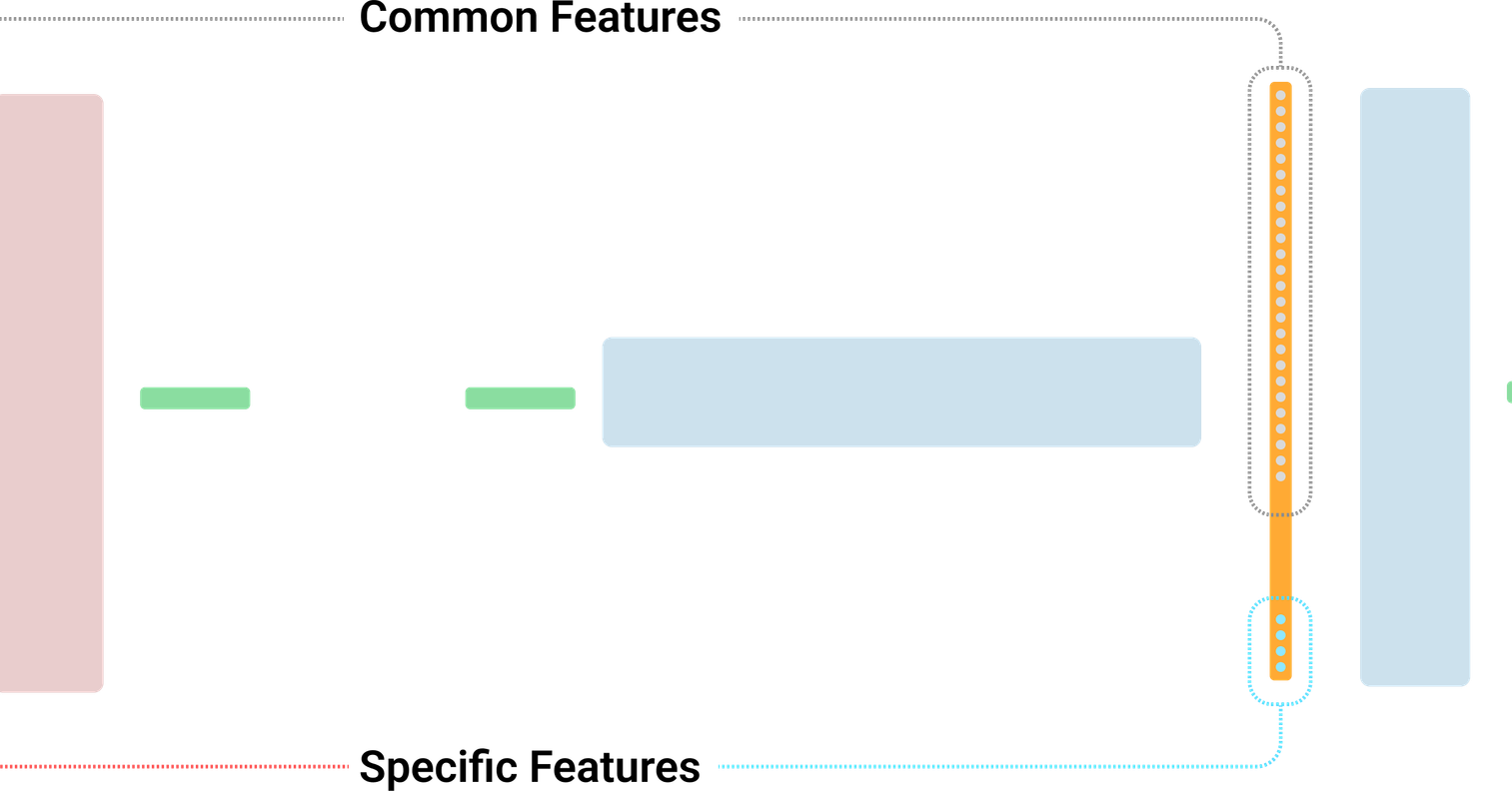
Temporal Feature Analysis
- (predictable / slow-moving / context) the predictable component from past context
- (novel / fast-moving / residual) new information (residual) not explained by context
TFA creates a direction that explains the current using past activations , implementing this in an attention form such as NEPA. Novel component: "apply SAE to the residual"
Token sequence
SAE Training Dataset Influence in Feature Matching and a Hypothesis on Position Features — LessWrong
Abstract Sparse Autoencoders (SAEs) linearly extract interpretable features from a large language model's intermediate representations. However, the…

https://www.lesswrong.com/posts/ATsvzF77ZsfWzyTak/dataset-sensitivity-in-feature-matching-and-a-hypothesis-on-1