
Brain Structure
Because the brain adapted to the Pleistocene environment, the brain is living in fossil—evolved behavior does not necessarily mean correct behavior
Fat People Only Eat Stakes
Brain Lobes
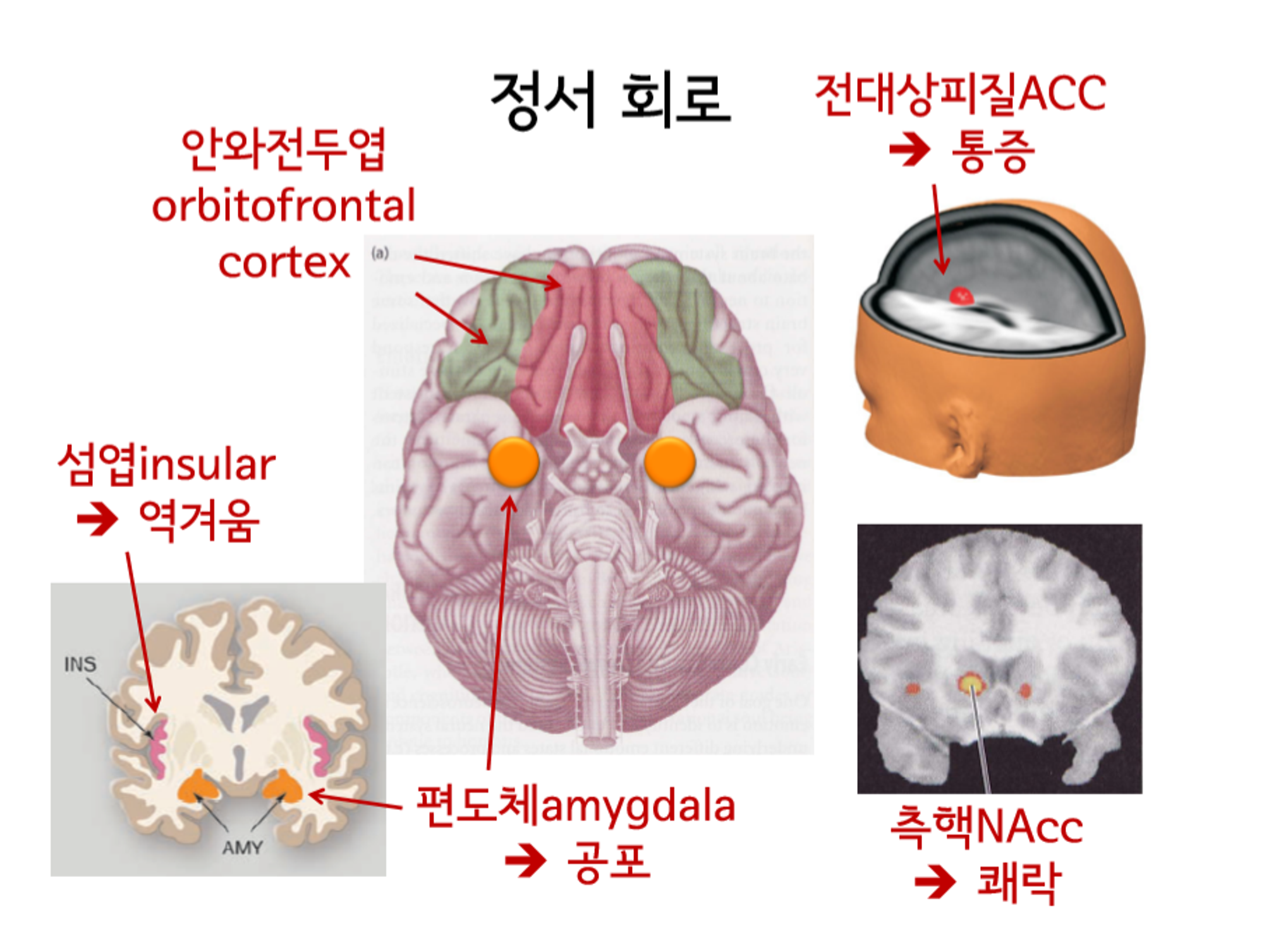
History
The History of Neuroscience
“Selected Articles in English” Selected articles originally published in Korean are now translated into English, making them accessible to the readers worldwide. Prologue: The Journey Inward, Deciphering the Final Frontier For thousands of years, humans have looked at the stars and wondered about the origin of the universe. Yet the most complex object in that…
https://horizon.kias.re.kr/33442/

While the learning system (neocortex, hippocampus, etc.) is a general-purpose learner that builds a world model through experience, the steering system (hypothalamus, brainstem) provides reward signals based on evolutionarily hard-coded rules and thereby determines the direction of learning.
- Learning system: neocortex, hippocampus, etc. Learns actions by building a world model from experience.
- Steering system: hypothalamus, brainstem, etc. Innate instincts and reward signals “hard-coded” by evolution steer the direction of learning.
Complex human behaviours: sociality, shame, laughter, attachment are explained as emerging not from simple reward alone, but from an intermediate circuit called a Thought Assessor that links learned concepts to instinctive rewards.
The Sweet Lesson of Neuroscience
Scientists once hoped that studying the brain would teach us how to build AI. Now, one AI researcher may have something to teach us about the brain.
https://asteriskmag.com/issues/13/the-sweet-lesson-of-neuroscience

The molecular cytoarchitecture of the adult mouse brain
Nature - To construct a comprehensive atlas of cell types in each brain structure, we paired high-throughput single-nucleus RNA sequencing with Slide-seq, a recently developed spatial...
https://www.nature.com/articles/s41586-023-06818-7

They developed a machine learning algorithm called CellTransformer to create a high-resolution map of the mouse brain. The method is a transformer-based approach that masks a cell’s identity and then predicts that cell using the gene expression and cell types of neighboring cells.
Data-driven fine-grained region discovery in the mouse brain with transformers
Nature Communications - Defining the spatial organization of tissues and organs like the brain from large datasets is a major challenge. Here, authors introduce CellTransformer, an AI tool that...

https://www.nature.com/articles/s41467-025-64259-4
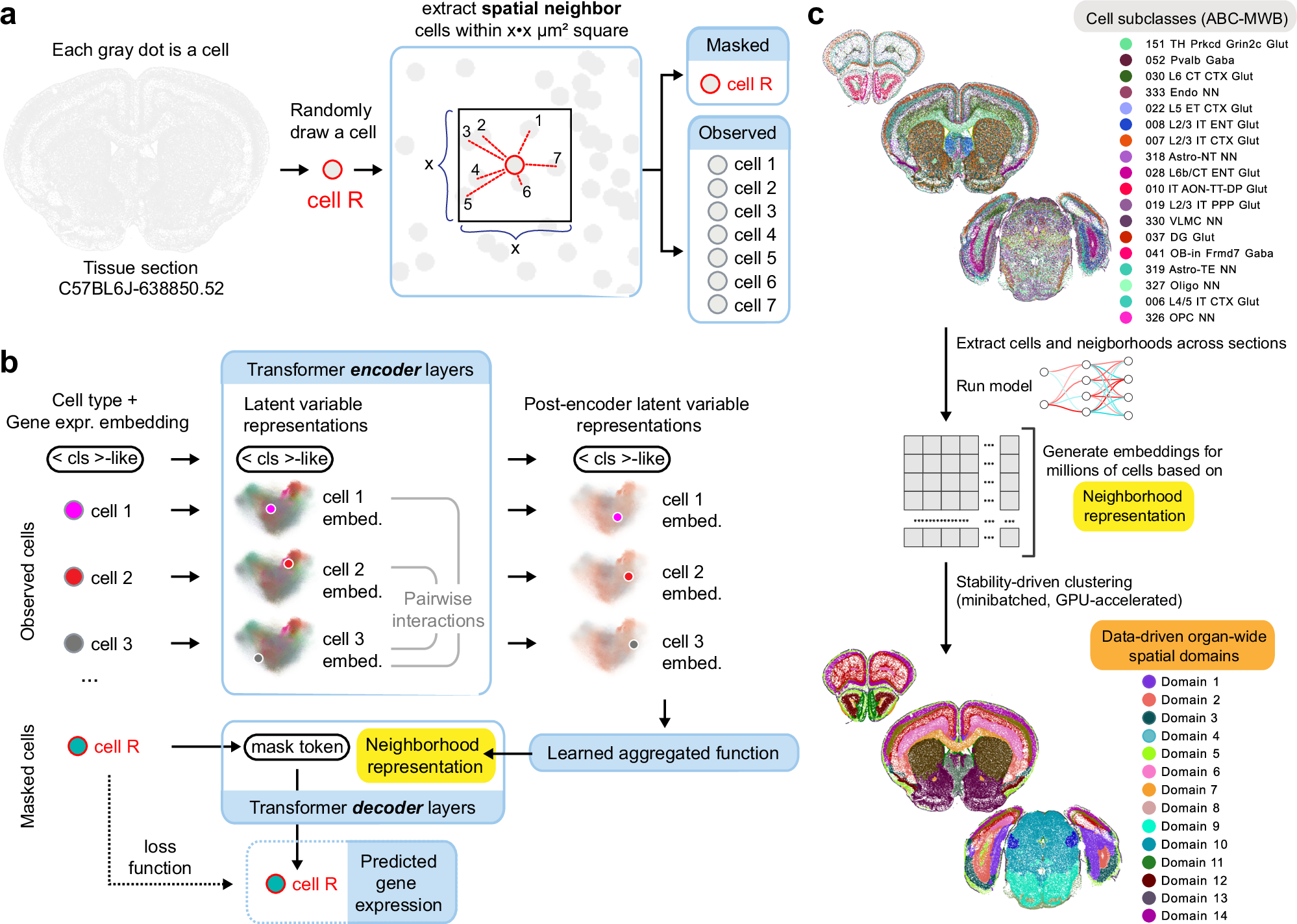
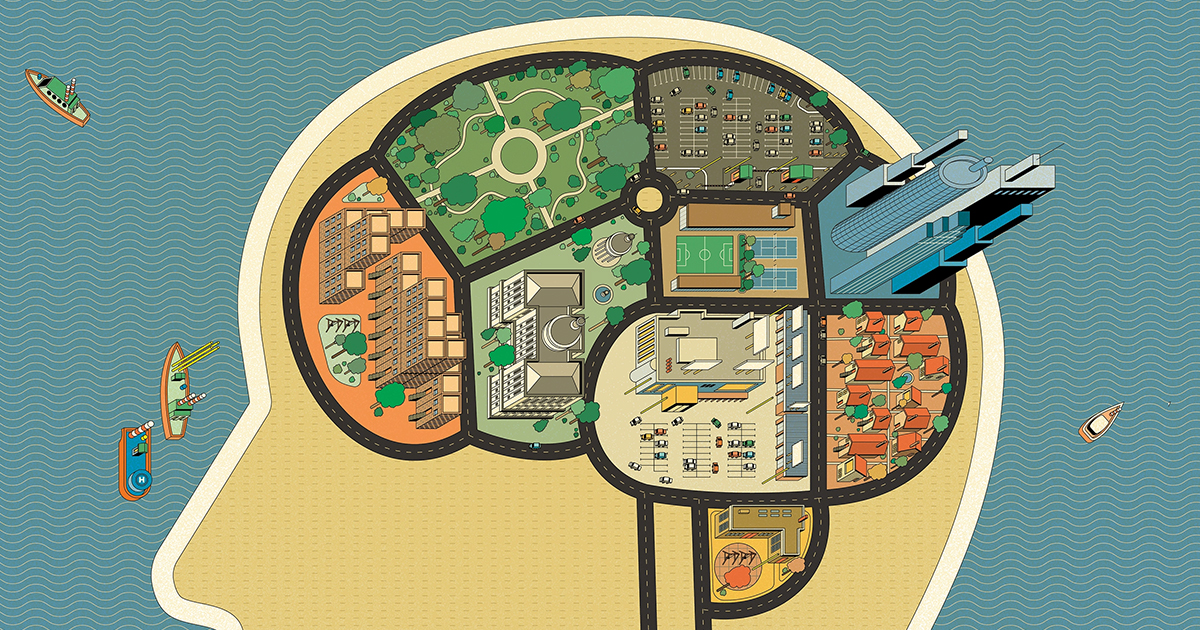
Fed on Reams of Cell Data, AI Maps New Neighborhoods in the Brain | Quanta Magazine
Machine learning is helping neuroscientists organize vast quantities of cells’ genetic data in the latest neurobiological cartography effort.
https://www.quantamagazine.org/fed-on-reams-of-cell-data-ai-maps-new-neighborhoods-in-the-brain-20260209/

Seonglae Cho