
 Seong-lae Cho
Primate neural architecture that’s really scalable in comparison to the brains of other kinds of species. Brain size doesn't determine intelligence, but it does set the upper limit for intelligence and memory capacity. Just like how whales are intelligent and elephants have good memory.
The human brain processes conscious thoughts at 10 bits per second, while our sensory systems collect environmental information at an astounding rate of one billion bits per second - a difference of 100 million times. Our consciousness operates serially, processing one thought at a time, unlike our parallel-processing sensory systems.
This limitation stems from our brain's computational constraints, suggesting we've reached the maximum potential of primate brain evolution. Supporting this theory, historical evidence shows that Neanderthals, despite possessing larger brains than Homo sapiens (as indicated by brain scaling measurements), became extinct without showing superior cognitive abilities.
Brain Notion
Brain Usages
Visualization & Mapping
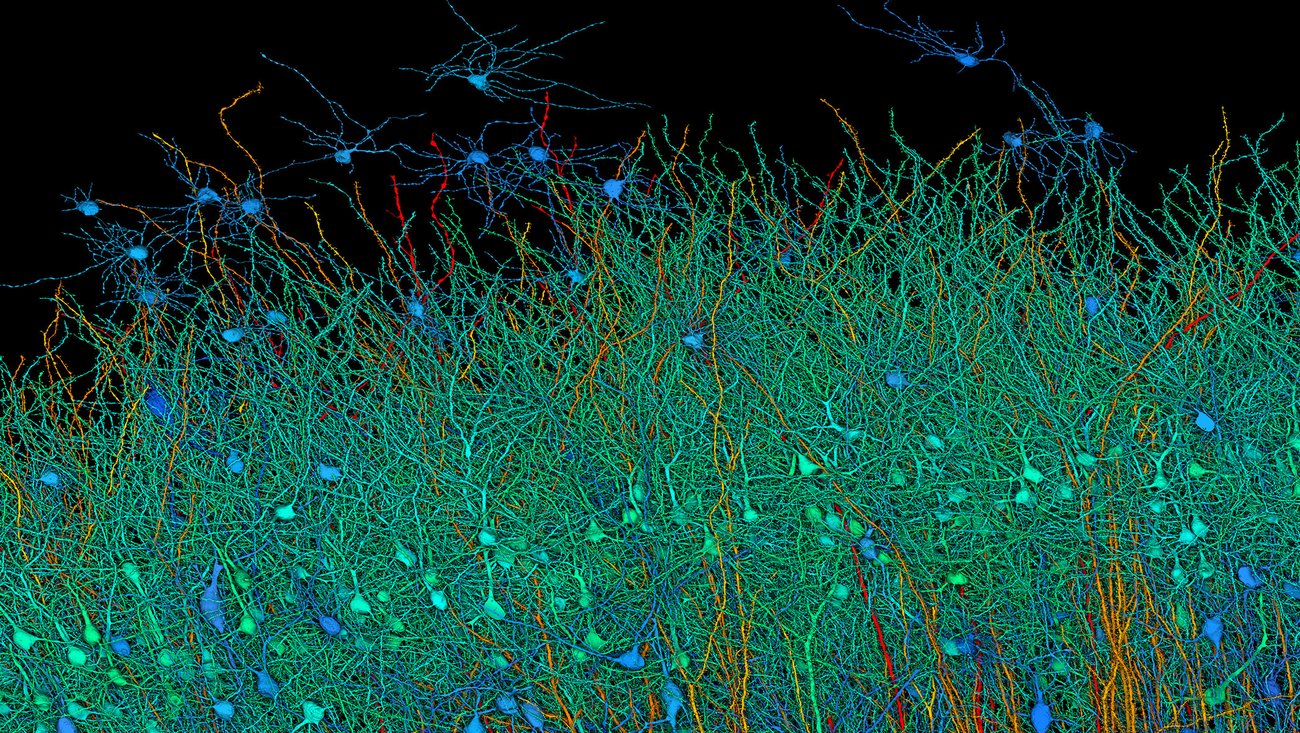
6 incredible images of the human brain built with the help of Google's AI
Google researchers and Harvard neuroscientists have worked together to reveal incredible images of the human brain.
https://blog.google/technology/research/google-ai-research-new-images-human-brain/
It Took 12 Years To Completely Map a Baby Fruit Fly’s Brain
With 3,016 neurons and 58,000 neural connections, this map of a fruit fly larva brain is the most impressive piece of neurological cartography to date.

https://www.popularmechanics.com/science/animals/a43266443/fruit-fly-brain/

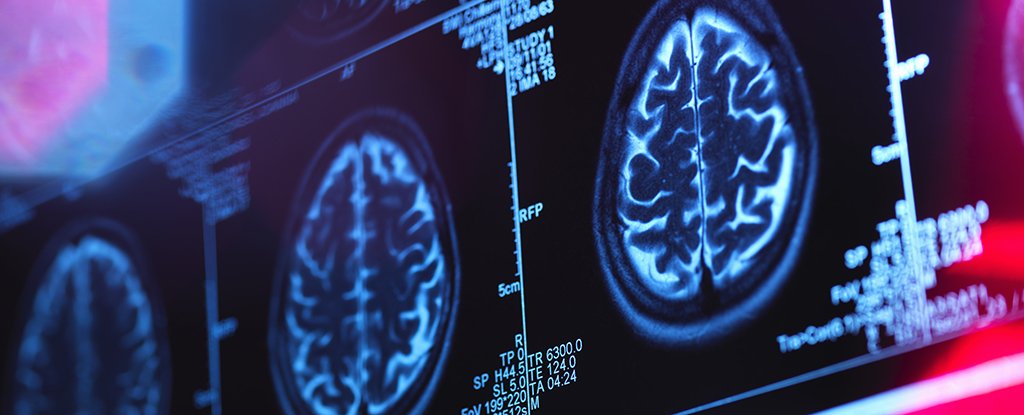
Scientists Used Over 100,000 MRIs to Map The Human Brain Across Our Entire Lifetime
We've now got a more complete picture than ever before of how the brain grows, evolves, and shrinks over our lives - all thanks to a complex database combining 123,984 magnetic resonance imaging (MRI) scans taken from 101,457 individuals.

https://www.sciencealert.com/scientists-used-over-100-000-mris-to-chart-the-brain-across-the-human-lifespan